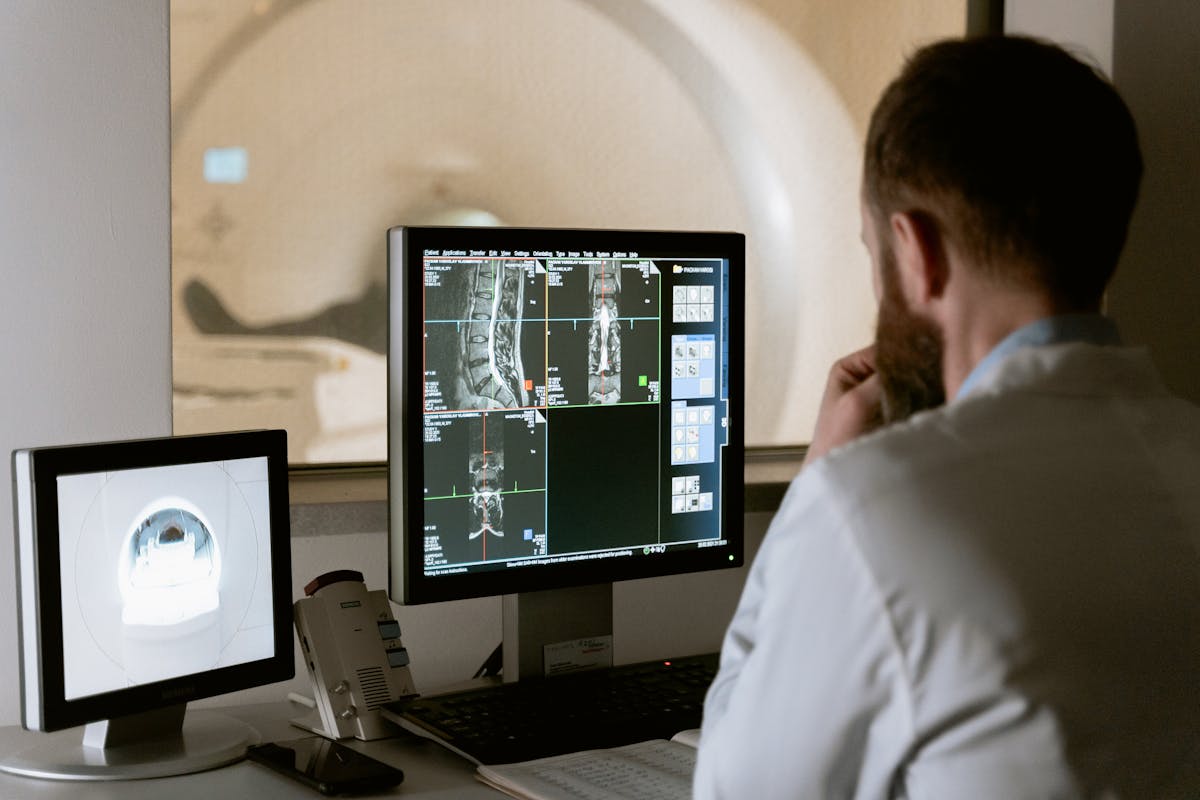
Understanding the Importance of Healthcare IT Infrastructure
In today's fast-paced medical environment, having a robust healthcare IT infrastructure is essential for doctors and medical practice owners. A resilient IT framework not only enhances patient care but also ensures compliance with regulations such as HIPAA. By investing in the right technologies and support systems, you can streamline operations, safeguard patient data, and improve overall healthcare delivery.
Assessing Your Current IT Infrastructure
The first step in how to improve healthcare IT infrastructure is to evaluate your existing setup. This assessment should consider various components, including:
- Network Security: Are your systems protected against cyber threats?
- Data Management: How effectively are your patient records being managed?
- Device Security: Are your medical devices secure and compliant with regulations?
- Support Services: Do you have access to 24/7 IT support for emergencies?
By conducting a thorough assessment, you can identify weaknesses in your current infrastructure and prioritize areas for improvement. Remember, the health of your IT system directly impacts your practice's efficiency and patient trust.
Implementing HIPAA Compliance Measures
One of the most critical aspects of improving healthcare IT infrastructure is ensuring HIPAA compliance. This includes not just safeguarding patient information but also establishing protocols for data access and sharing. Here are some effective measures to enhance compliance:
- Regular Audits: Conduct frequent audits to assess compliance with HIPAA regulations.
- Staff Training: Provide ongoing training to your staff on data privacy and security protocols.
- Secure Data Storage: Utilize encrypted storage solutions for all patient records.
- Implement Access Controls: Limit access to sensitive information on a need-to-know basis.
These measures not only help in complying with regulations but also foster a culture of security within your medical practice.
Enhancing EHR/EMR Support
Efficient Electronic Health Record (EHR) or Electronic Medical Record (EMR) systems play a pivotal role in improving healthcare IT infrastructure. Here are some strategies to enhance your EHR/EMR support:
- Choose the Right System: Select an EHR/EMR system that best meets the needs of your medical practice.
- Regular Updates: Ensure that your software is always up to date to benefit from new features and security patches.
- Integration: Aim for seamless integration with other systems, such as billing or laboratory services, to ensure smooth data flow.
- Training and Support: Provide comprehensive training for your staff to maximize the benefits of your EHR/EMR system.
By focusing on EHR/EMR support, you can significantly improve workflow efficiency and patient satisfaction.
Investing in Cybersecurity
With the increase in cyberattacks targeting healthcare facilities, investing in robust cybersecurity measures is imperative. Here are some steps to enhance your practice's cybersecurity:
- Firewalls and Antivirus Software: Implement firewalls and regularly update antivirus software to protect against malware.
- Data Breach Response Plan: Develop a plan outlining steps to take in the event of a data breach.
- Employee Awareness: Regularly educate staff about cybersecurity threats, such as phishing attacks.
- Use of VPNs: Utilize Virtual Private Networks (VPNs) for secure remote access to your practice's network.
Investing in cybersecurity not only protects your patient data but also builds trust with your patients, which is essential in the healthcare sector.
Utilizing 24/7 Help Desk Support
Technology issues can arise at any time, disrupting your practice and affecting patient care. By having a 24/7 help desk support system in place, you can resolve IT issues promptly, minimizing downtime. Here are some benefits of having round-the-clock IT support:
- Quick Response Times: Immediate assistance can help resolve issues before they escalate.
- Reduced Downtime: Continuous support means that your practice can operate efficiently without prolonged interruptions.
- Focus on Patient Care: With IT issues managed swiftly, you can concentrate on providing quality care to your patients.
By implementing 24/7 help desk support, you ensure that your healthcare practice remains operational and patient-centric.
Creating a Future-Ready IT Strategy
Improving healthcare IT infrastructure is not a one-time task but an ongoing process. Consider these tips to develop a future-ready IT strategy:
- Stay Informed: Keep up with the latest trends and technologies in healthcare IT.
- Regularly Review Systems: Assess your IT systems and update them as needed to meet evolving needs.
- Engage with Experts: Consult with healthcare IT professionals to gain insights and recommendations tailored to your practice.
By continuously refining your IT strategy, you can ensure that your medical practice is equipped to handle future challenges while providing excellent patient care.
Conclusion: Moving Forward with Confidence
In summary, improving healthcare IT infrastructure is essential for modern medical practices. By assessing your current setup, ensuring HIPAA compliance, enhancing EHR/EMR support, investing in cybersecurity, and utilizing 24/7 help desk support, you can create a robust framework that prioritizes patient care and operational efficiency. If you're ready to take your healthcare IT infrastructure to the next level, Zevonix offers tailored solutions designed to meet the unique needs of doctors and medical practices. With our commitment to compliance and patient-first support, you can trust us to be your partner in enhancing your healthcare IT system.